
Ford's Journey Through Quality and Electrification
ED
Editorial
Cashu Markets·5 min read
TL;DR
- Ford enhances production quality by rehiring experienced engineers.
- New initiative, Ford Energy, aims to support electrification and sustainable energy.
- Recent recalls highlight the importance of quality management and consumer trust.
Ford Motor Company ( F) is navigating the challenges of a transforming automotive landscape, focusing on quality and electrification to secure its market share and investor confidence. As the industry shifts towards electric vehicles (EVs) and advanced technologies, Ford is strategically investing its resources in human capital, quality control, and sustainable solutions. After recently topping the J.D. Power 2026 Initial Quality Study, Ford's commitment to quality is clear, with significant steps being taken to mitigate risks associated with future recalls, improve production standards, and navigate the stringent demands of electrified vehicle production. That backdrop echoes earlier coverage of the issue, especially around how pricing, strategy, and demand feed into the current story.
Enhancing Production Standards with Experienced Engineers
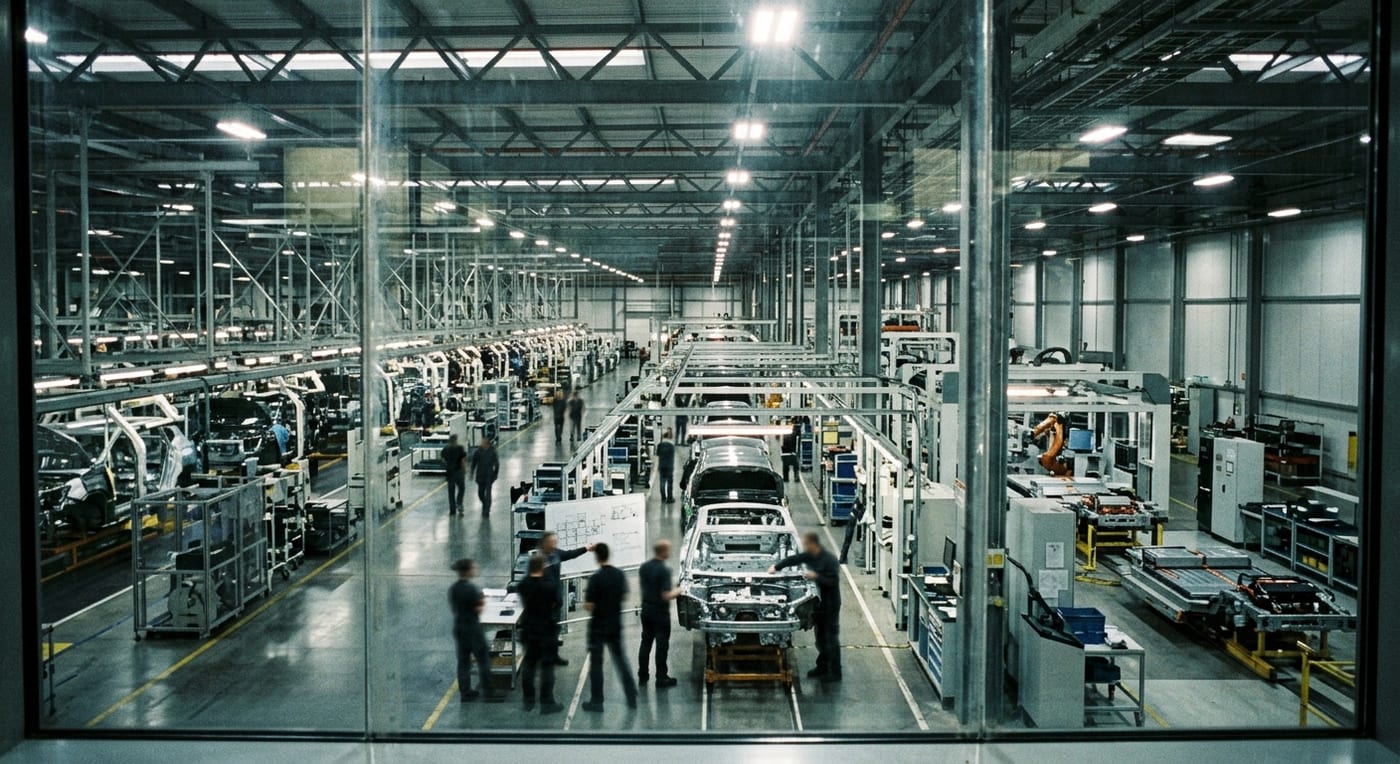
Recognizing the need for a robust connection between technology and human expertise, Ford has reintroduced about 300 experienced engineers to its workforce. This initiative comes on the heels of earlier reliance on artificial intelligence (AI) that was found to fall short in maintaining high safety and performance standards. By bolstering its engineering team, Ford aims to enhance its operational efficiency, mitigate risks, and ensure that the deployment of AI in production aligns with its quality objectives. The decision has been fueled by lessons learned from past AI shortcomings, prompting the automaker to value the irreplaceable role of human oversight in manufacturing processes as discussed in earlier coverage.
These veteran engineers are now working to improve the manufacturing processes and mentor newer talent, ultimately positioning themselves as internal auditors within Ford’s production systems. By taking a hands-on approach to quality assurance, this initiative intends to pinpoint failures and address them before items enter full manufacturing, significantly improving future vehicle quality and consumer trust.
Ford Energy: Capitalizing on Electrification Trends
As part of its broader strategy to address the rapidly changing market dynamics, Ford is also launching a new battery storage business under the initiative called Ford Energy. This venture is intended to complement the electric vehicle lineup while meeting the growing consumer demand for sustainable energy solutions. Analysts are observing this move as a pivotal diversification strategy that could enhance Ford's long-term market valuation. Ford Energy is set to integrate innovative energy solutions, strengthening Ford’s position in a sector that is not only pivotal for future growth but also increasingly expected by environmentally conscious consumers.
Simultaneously, as more customers prioritize eco-friendly options, the importance of not just manufacturing electric vehicles but also providing supporting energy solutions is clear. Ford's determination to pivot towards sustainable practices is underscored by this new business venture, which further enhances its capabilities in the evolving automotive industry. The electric vehicle market is poised to grow significantly, and Ford's proactive approach allows it to leverage its engineering expertise and technological advances.
Quality Challenges and Recall Management
However, the path isn't without challenges. Ford faces potential setbacks due to product recalls as safety measures and potential defects come to light. Recently, the company initiated a recall affecting more than 110,000 Mustang vehicles over defects related to both windshield wipers and rear drivetrain components. These defects could impair visibility and potentially increase crash risks, issues that Ford is addressing proactively to uphold its commitment to safety and quality.
As reported, the National Highway Traffic Safety Administration (NHTSA) outlined that the recall specifically affects a range of Mustang models, including the Mustang Mach-E. Such recalls can pose significant reputational risks and financial implications for Ford if not managed effectively. The company's current strategies are vital not only to mitigate these risks but also to reaffirm its dedication to consumer safety and satisfaction. Through robust recall management practices, Ford demonstrates its commitment to addressing safety concerns head-on, ensuring that affected vehicles are repaired or replaced under warranty at no cost to customers, maintaining consumer trust.
F-Series Production amid Supply Chain Complexities
In the backdrop of these evolving challenges, Ford is also focusing on enhancing the production of its F-Series trucks in response to previous supply chain disruptions caused by its aluminum supplier, Novelis. The recovery of Novelis's operations has been essential for Ford to secure the needed materials to sustain truck manufacturing and meet sales forecasts. With F-Series trucks being a cornerstone of Ford's product lineup, this focus is no small matter. Maintaining lower inventory levels through efficient production strategies is essential in a competitive truck market, where demand remains high.
By reinforcing supply chain strategies, Ford is strategically positioning itself to improve operational capabilities, and this proactive adjustment can help maximize vehicle availability. As a best-selling line within the company, ensuring F-Series trucks are readily available will directly influence Ford’s revenue streams and market share in a crucial segment.
Conclusion: Looking Ahead
As Ford Motor Company navigates its evolutionary path in the automotive sector, the integration of experienced engineers, the establishment of Ford Energy, and proactive recall management are all pieces of a larger puzzle. The company's commitment to quality and sustainability will be paramount as it faces the future challenges and opportunities in an increasingly electrified and competitive automotive landscape. This blend of strategy illustrates not just a company grappling with the complexities of modern production but also one that is learning, adapting, and reinforcing its core values of safety, quality, and innovation. Investors looking at Ford can take note of how these initiatives serve as building blocks for potential future success. The same pressure is reflected in recent reporting on the issue, which helps explain why the company's pricing decisions remain under scrutiny.